What Does It Mean to Be Human in the Age of AI?


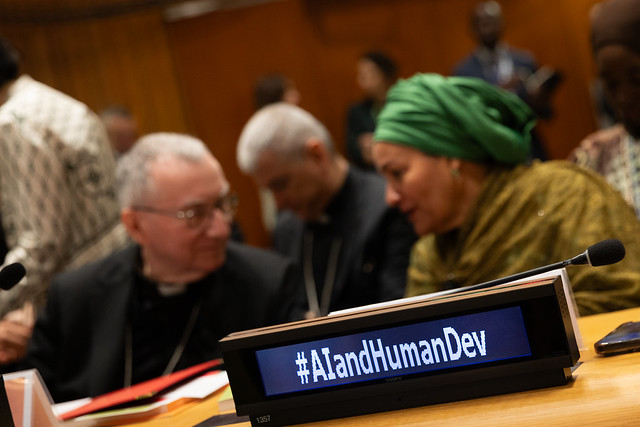
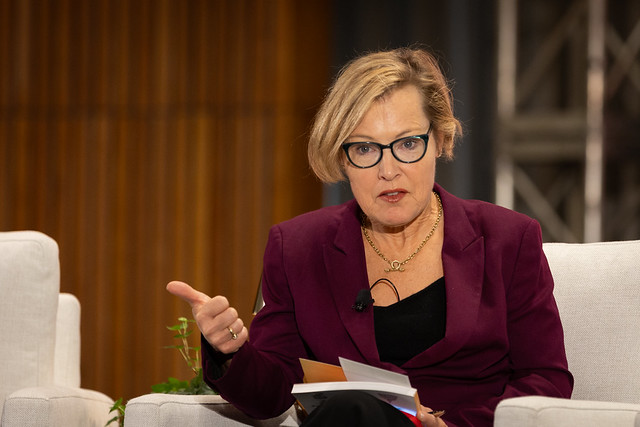
That question took center stage at the concluding convening of the United Nations' AI and Human Development series, held in New York during the 81st session of the UN General Assembly. The event brought together ministers, technology leaders, scientists, academics and faith leaders to reflect on how AI is changing the way people learn, work, create, connect and understand themselves.

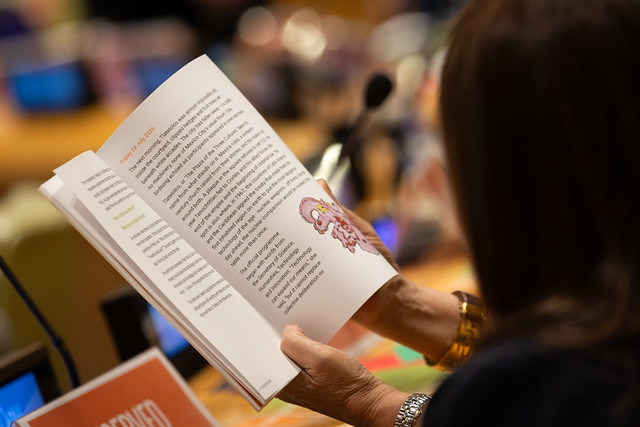
The New York gathering marked the culmination of a global dialogue that had previously traveled through Cairo, Mexico City, Xi'an and Rome. Alongside the discussion, participants launched the AI and Human Development Convenings Report, which captures the key questions, ideas and tensions that surfaced throughout the series under the leadership of United Nations Deputy Secretary-General Amina J. Mohammed.
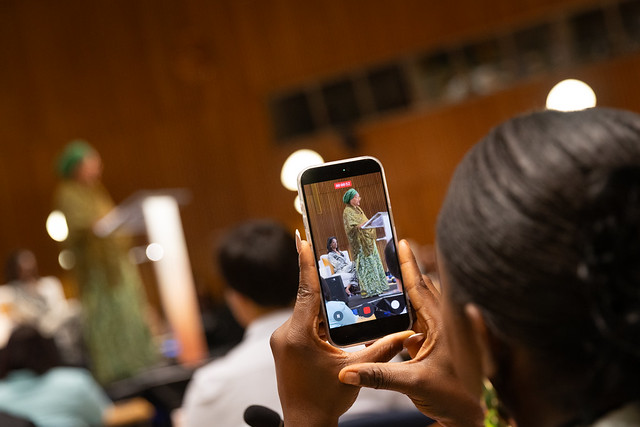
In her remarks, the Deputy Secretary-General challenged participants to move beyond familiar debates about whether AI could one day destroy humanity. Instead, she urged them to focus on a more immediate and pressing question: what AI is already doing to humanity today.
That call resonated throughout the discussion. Cardinal Pietro Parolin, Secretary of State of the Holy See, emphasized the need for a strong ethical foundation to guide technological innovation. Echoing a warning from Pope Leo XIV, he cautioned against "an increase in means without a growth in humanity," reminding participants that technological progress must ultimately serve people.

Yet the conversation did not stop at questions of ethics. Sierra Leone's Chief Minister David Sengeh pushed participants to examine whose perspectives shape the future of AI, asking pointedly: "Whose humanity, whose values, whose ethics?"
His intervention highlighted a central challenge facing the global community: ensuring that the development and governance of AI reflect the diversity of human experiences, cultures and aspirations.
Throughout the convening, speakers explored both the promise and complexity of a technology some described as "an invention for making inventions." From accelerating scientific discovery to reshaping education and creativity, AI is opening new possibilities at an unprecedented pace. At the same time, it is forcing societies to grapple with deeper questions about identity, dignity, agency and human flourishing.
As the series comes to a close, the conversation it sparked is only beginning. In a world increasingly shaped by intelligent machines, the challenge is not simply to build better technology, but to ensure that humanity grows alongside it.
Watch the conversation on UN Web TV.
Photo gallery
23 Sept 2026 - AI and Human Development